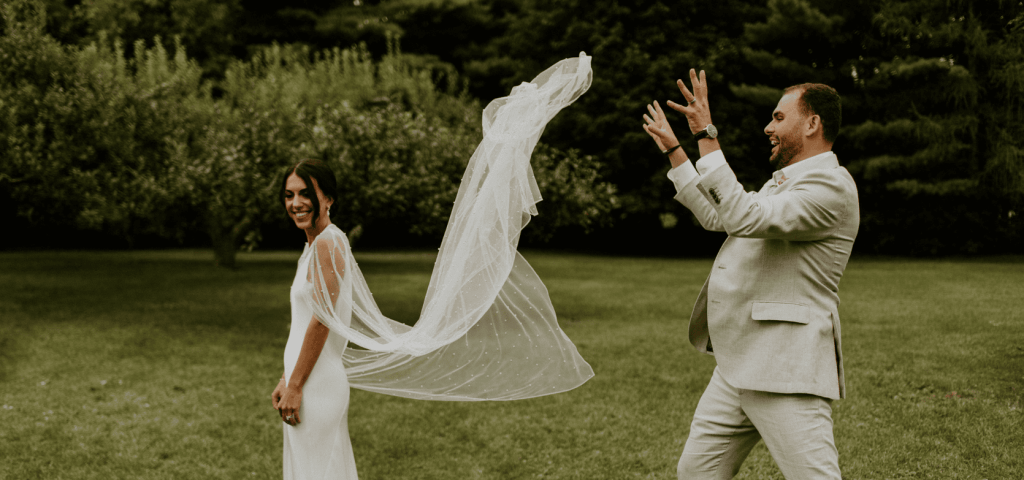
Photography is often seen as the art of freezing time. But what if you could make time move in your still images? Capturing movement—especially in Read this page the form of dancing, walking, and twirling—adds life, emotion, and story to your photos. These dynamic moments convey joy, spontaneity, and authenticity, turning a static frame into something that feels alive.
Whether you’re a seasoned photographer or a beginner with a smartphone, this article will guide you through the art of capturing movement and show you how to make your subjects dance, walk, and twirl their way into unforgettable photos.
Why Movement Matters in Photography
Movement adds emotion and realism to photography. A person mid-step or in a flowing spin feels more genuine than a stiff pose. It’s not just about action—it’s about energy. Movement creates:
Visual interest: Our eyes naturally follow motion, which draws the viewer in.
Narrative: A walking subject suggests a journey; a dancer tells a story.
Authenticity: Candid, moving shots often feel more relatable and unposed.
Elegance: Twirling dresses, swinging arms, and flowing hair add grace and flair.
Incorporating motion, especially through dancing, walking, or twirling, transforms portraits into something truly special.
- Capturing Dancing: Free Spirit and Expression
The Challenge:
Dance is all about fluidity, rhythm, and emotion. Capturing this in a still image means anticipating peak moments and highlighting form.
Tips:
Use burst mode: Most cameras and phones have burst mode, which takes multiple shots quickly. This helps you catch the perfect moment.
Watch the rhythm: Observe the dancer’s timing. Moves like jumps, turns, and arm extensions often make for the most dramatic shots.
Choose the right shutter speed: A fast shutter speed (like 1/500s or more) freezes movement, while a slower one (1/60s or below) introduces motion blur for an artistic effect.
Background matters: A clean or contrasting background makes the dancer pop and highlights movement lines.
Focus on body lines: Pay attention to posture, arm extensions, and leg positions—they tell the story.
Creative Idea:
Have your subject spin or leap in a flowing dress or skirt. The movement of the fabric can elevate the energy of the shot and enhance the sense of motion.
- Walking Shots: Natural, Relatable, Story-Driven
The Challenge:
Walking seems simple, but timing is key. One awkward step can make the photo look off-balance.
Tips:
Give direction: Ask your subject to walk naturally but purposefully. Tell them to “walk with intention” to avoid hesitation or stiffness.
Lead or follow: Shoot from in front of them or slightly behind to give a sense of direction or journey.
Capture mid-step: Try to catch your subject with one foot in the air, which looks more dynamic and natural.
Shoot in burst mode: Again, use burst to avoid missing the perfect moment.
Use natural settings: Streets, fields, bridges, and paths work beautifully. Walking shots feel more authentic in everyday environments.
Creative Idea:
Have the subject occasionally look sideways, laugh, or swing their arms. These subtle movements make walking shots feel spontaneous and joyful.
- Twirling Shots: Elegance in Motion
The Challenge:
Twirling combines movement and grace, often with dramatic effects like spinning skirts or hair in motion. Timing is everything.
Tips:
Flowy clothing is key: Dresses, skirts, or loose garments enhance the effect of twirling.
Tell them to commit to the spin: Half-hearted spins look unconvincing. Encourage full, confident turns.
Position the light: Backlighting can illuminate flying fabric or hair beautifully, especially during golden hour.
Focus and frame: Pre-focus your camera and allow room around the subject for the movement to fill the frame.
Shutter speed for effect: Use a fast shutter to freeze the spin or a slower one (like 1/30s) for dreamy blur.
Creative Idea:
Ask the subject to twirl slowly and playfully, laughing or looking up. Capture the joy, not just the motion.
Technical Tips for All Movement Shots
Lighting: Natural light is ideal, especially soft light during sunrise or sunset. For indoor shots, avoid harsh overhead lighting.
Lens choice: A 35mm or 50mm prime lens is great for portraits with movement. If you’re using a phone, use the standard wide lens instead of ultra-wide.
Composition: Leave space in the direction your subject is moving. This creates a sense of flow and avoids cutting off the action.
Safety first: Always be mindful of the environment—slippery floors, uneven paths, or heavy clothing can create hazards during active shots.
Final Thoughts
Capturing movement—especially in dancing, walking, and twirling shots—requires both technical skill and creative intuition. It’s not just about pressing the shutter button at the right time; it’s about encouraging your subject to express themselves, using your environment creatively, and being ready for those fleeting, magical moments.
Whether it’s a dancer mid-leap, a traveler lost in thought on a walk, or a child twirling in delight, movement brings your images to life. So, next time you’re behind the lens, don’t just ask your subject to “stand still.” Let them move. Let them flow. And be ready to catch the beauty that unfolds.
 Site Title
Leave a comment